
Hume Health Wrist Band Review: Can This Smart Wellness Tracker Really Improve Health Monitoring?
Wearable health technology continues to grow rapidly.


From fitness watches to biometric trackers, more people now use smart wearable devices to monitor:
- Heart rate
- Sleep quality
- Stress levels
- Daily activity
- Calories burned
- Recovery metrics
- Wellness trends
One product attracting attention in the wearable wellness market is the Hume Health Wrist Band.
The device is marketed as a smart health tracker designed to support fitness monitoring, wellness insights, biometric tracking, and lifestyle management through app-connected technology.
But does the Hume Health Wrist Band actually provide useful health insights—or is it simply another fitness gadget?
Here’s a realistic breakdown of the Hume Health Wrist Band, including features, technology, potential benefits, limitations, accuracy concerns, and who may benefit most from using it.
What Is the Hume Health Wrist Band?
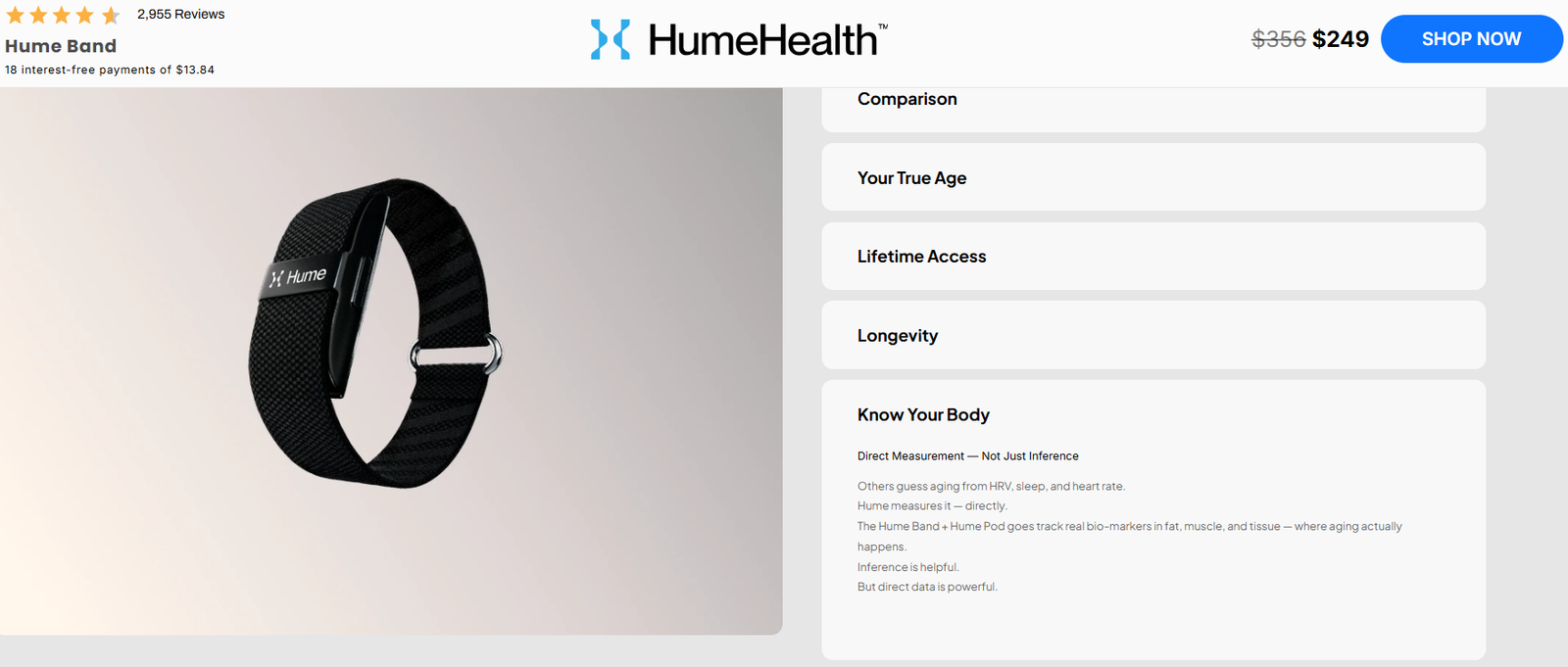
The Hume Health Wrist Band is a wearable wellness-tracking device designed to monitor various health and activity metrics throughout the day.
Like many modern smart bands, the device appears focused on:
- Activity tracking
- Sleep monitoring
- Heart-rate tracking
- Wellness analytics
- App-based fitness insights
The wrist band typically syncs with a mobile app that allows users to review:
- Daily trends
- Workout statistics
- Wellness reports
- Recovery information
- Long-term fitness patterns
The product is marketed toward users interested in health analytics and lifestyle tracking rather than medical-grade diagnostics.
How the Hume Health Wrist Band Claims to Work?
The device relies on multiple wearable-sensor technologies.
Optical Heart-Rate Monitoring
Most smart wrist bands use optical sensors that shine light into the skin to estimate blood-flow changes and heart-rate patterns.
Potential tracking features may include:
- Resting heart rate
- Workout heart rate
- Recovery tracking
- Daily activity intensity
Heart-rate monitoring has become one of the most popular features in modern fitness wearables.
Sleep and Recovery Tracking
Many wearable devices now focus heavily on sleep analytics.
The Hume Health Wrist Band may estimate:
- Sleep duration
- Sleep stages
- Recovery quality
- Rest patterns
These features are designed to help users identify wellness habits that may affect recovery and energy levels.
However, sleep-stage tracking in consumer wearables remains estimated rather than medically precise.
Activity and Movement Tracking
Smart bands commonly use motion sensors such as accelerometers to estimate:
- Steps
- Movement patterns
- Workout activity
- Calories burned
Many users find activity-tracking features motivating for maintaining fitness consistency.

App-Based Wellness Insights
The wrist band is designed to sync with a companion mobile app that displays:
- Health dashboards
- Progress charts
- Wellness scores
- Long-term trend analysis
Some wellness platforms also use AI-driven insights to provide lifestyle suggestions and fitness guidance.
However, app-generated recommendations should not replace professional medical advice.
Key Features of the Hume Health Wrist Band:
Continuous Wellness Monitoring
The device appears designed for all-day tracking of wellness metrics such as:
- Heart rate
- Daily movement
- Sleep patterns
- Recovery indicators
Continuous tracking is one reason wearable technology has become extremely popular.
Fitness and Workout Support
The wrist band may support:
- Exercise tracking
- Step counting
- Activity goals
- Calorie estimates
- Workout summaries
Many users rely on fitness trackers for accountability and consistency.
Smart App Integration
The companion app helps users review:
- Historical trends
- Goal progress
- Daily performance
- Recovery analytics
Visual progress charts may help users stay motivated over time.
Lightweight Wearable Design
Smart wrist bands are often preferred over large smartwatches because they are:
- Lightweight
- Comfortable
- Easier to wear during sleep
- Less bulky during workouts
Comfort plays a major role in long-term wearable use.
Potential Benefits of the Hume Health Wrist Band:
Users may consider the wrist band for support with:
- ✔ Fitness tracking
- ✔ Activity monitoring
- ✔ Sleep-awareness routines
- ✔ Wellness accountability
- ✔ Recovery tracking
- ✔ Workout consistency
- ✔ Long-term health trend monitoring
Some users find wearable trackers highly motivating because they create greater awareness of daily habits.
Important Reality Check About Accuracy
This section matters most.
👉 Consumer wellness wearables are not medical devices.
Most smart wrist bands provide estimates rather than clinically verified measurements.
Factors that may affect accuracy include:
- Skin tone
- Motion during workouts
- Device fit
- Sweat
- Sensor quality
- Sleep movement
Even expensive fitness wearables can produce inconsistent readings.
Experts generally recommend using wearable data for:
- Trend tracking
- Habit awareness
- Fitness motivation
rather than relying on the numbers as precise medical information.

Online Reviews and Community Discussions
Online reactions to wearable wellness devices are generally mixed but often positive overall.
Many users appreciate:
- Motivation from activity tracking
- Better awareness of sleep habits
- Workout accountability
- Long-term progress monitoring
Others remain skeptical because of:
- Inconsistent accuracy
- Battery-life concerns
- Subscription-based app features
- Overhyped wellness claims
This pattern is common across the wearable technology industry.
Many users emphasize that consistency and lifestyle habits matter more than wearable devices alone.
Possible Limitations of the Hume Health Wrist Band?
Potential limitations may include:
- Inconsistent heart-rate readings
- Estimated calorie calculations
- App synchronization issues
- Limited medical accuracy
- Battery charging requirements
Some users may also become overly focused on constant tracking and daily data fluctuations.
Who Might Consider the Hume Health Wrist Band?
The Hume Health Wrist Band may appeal to:
- Fitness enthusiasts
- Wellness-focused users
- Individuals tracking activity goals
- Users interested in sleep analytics
- People seeking lightweight wearable devices
It may especially suit users who enjoy:
- Health analytics
- App-based fitness tracking
- Progress visualization
- Recovery monitoring
Who Might Not Need It?
The wrist band may be less useful for:
- Users seeking medical-grade diagnostics
- Individuals uncomfortable with constant tracking
- People wanting advanced smartwatch features
- Users on very tight budgets
For some users, basic lifestyle changes may matter far more than wearable technology.
Privacy and Data Considerations
Like many wearable devices, the Hume Health Wrist Band collects personal wellness data.
Users should carefully review:
- Privacy policies
- Data-sharing permissions
- Cloud-storage practices
- App security settings
before using connected wellness technology.
Final Verdict: Is the Hume Health Wrist Band Worth Trying?
The Hume Health Wrist Band reflects the growing trend toward:
👉 Data-driven wellness tracking and wearable health monitoring.
Some users may appreciate:
- Activity tracking
- Sleep-awareness features
- Recovery analytics
- Lightweight wearable comfort
- App-connected wellness insights
However, expectations should remain realistic.
Consumer fitness trackers are not perfect medical tools, and many measurements remain approximate estimates.
For users interested in fitness accountability, health awareness, and long-term wellness tracking, the Hume Health Wrist Band may serve as a useful motivational device—as long as the data is viewed as informational rather than medically definitive.